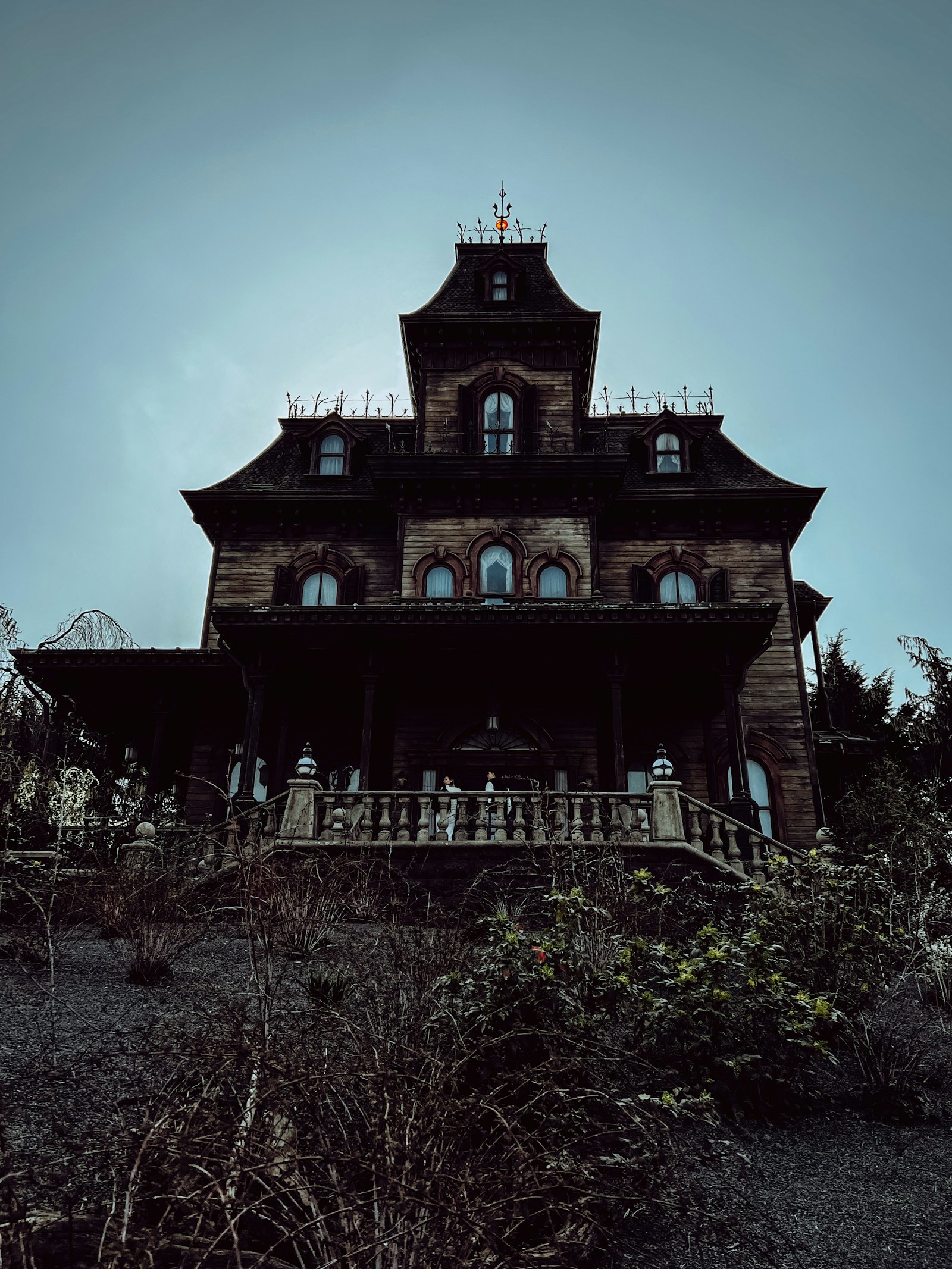
Understanding Stigmatized Properties:
Ever heard the saying, "When one door closes, and another opens, your house might be haunted?"
Well, it's not always about ghosts. A stigmatized property is one that's perfectly fine in terms of livability and structure but carries a perceived problem. The main categories include “haunted” houses, properties associated with natural deaths, and a gray area involving criminal activity, here are 2 examples to help you out:
The home is rumored to had a natural death, there was no damage to the property as a result of the death in the property because it was discovered quickly. This would be considered stigmatized, there is nothing wrong with the home, but some folks get concerned about deaths.
A home was a former grow op that hasn't been properly remediated, there are stains, there are smells, and a very very real risk to health. That is not stigmatized, that is a real, tangible problem with the home.
A home was a former grow op that HAS been remediated, it was stripped to the bones, cleaned, fumigated, and rebuilt with clean supplies. That home may have a stigma as a result of the original police presence, but there is nothing measurably wrong with the home now, that would be a stigmatized property.
The Impact on Property Value:
Now, the big question is, does this stigma affect property value? The short answer is yes, but it's all about perception. The accurate answer, is maybe, for a short time. If you're buying a stigmatized property, you might score a deal initially due to the stigma. However, as time passes, the public tends to forget, and the stigma lessens.
Buying a Haunted House (or Stigmatized Property):
If you're in the market for (or against!) a stigmatized property, it's crucial to communicate with your realtor, no matter how ridiculous it might seem. I have had buyers ask to avoid homes with natural deaths, and others that had a special interest in “haunted” homes, neither were considered a ridiculous request. Let them know what you're comfortable with, even if it ventures into the territory of stigma. It's also essential to ask lots of questions about the property to fully understand its history, unfortunately, sometimes we just don’t know about details that could be considered stigmatized, there’s no requirement to record if the 1920s radio in the kitchen randomly tunes into the oldies shows late at night.
Found the perfect home for you but worried about a haunting? Don’t worry, I have a guy for that.
Selling a Haunted House:
On the flip side, if you're the one selling a haunted or stigmatized property, honesty is easy and recommended. If the buyer's realtor asks about the stigma, you generally have two options: tell the truth about it, or instruct your realtor not to answer such questions (which can be an answer to the buyer in and of itself).
My opinion? Disclose, disclose, disclose. Being transparent can help manage expectations and build trust during the selling process. The last thing you want is the buyers standing outside during the home inspection and the neighbour striking up a conversation and saying “oh yea, John Smith passed away on the front porch of this home in 1940, and sometimes at night you can still see him there”.
I hope this helps (or at the very least provides an interesting read!), and if you need to sell a haunted house, drop me a line! I can be reached by phone, email, or ouiji board.

